Tag: #PakistanMotorcycleStories

  • Pakistan Motorcycle Stories – Speed-brakers, Pulpit, and Pakistan’s Writ!

    August 4, 2020

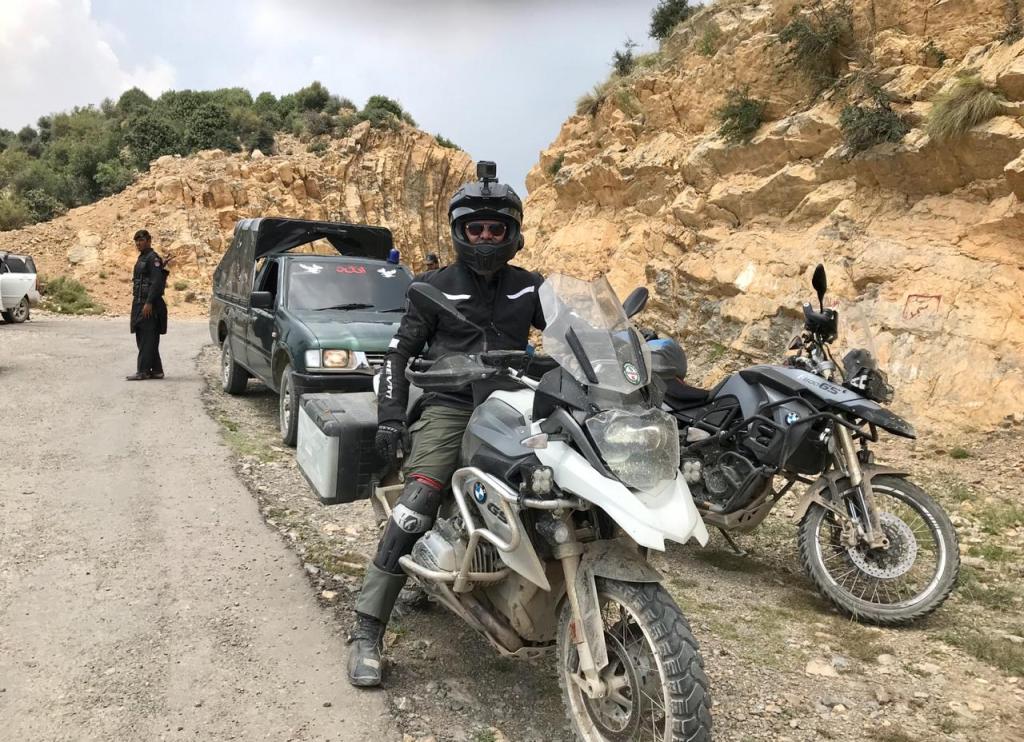
    From Sultanzai in Tirah to Peshawar, KP, 2020

    The speed breaker, also known as the speed bump, was invented in 1950 by Arthur Holly Compton when he noticed that drivers frequently sped past Washington University (https://www.acplm.net/5-things-didnt-know-speed-bumps/). I think, the man should have kept to what he knew best, his discoveries in electromagnetic theory, for which he received the Nobel Prize. Just as IK should have stuck to cricket and left Prime Ministering for someone else in the party—aka Sonia Gandhi model.

    We, today, in Pakistan have the damn speed breakers flagrantly challenging the writ of the government and reinforcing the writ of the pulpit in this land of the pure (https://empowerpakistanbyazd.blog/2020/08/02/pakistan-motorcycle-stories-corruption-pulpits-and-injustice/).

    What, you might ask, is the problem. Slowing down the free and pure and aplenty should be considered a national service. Keeping them tamed and unable to get to where they are going without dying of speed and haste and killing a few locals on the way should be a good deed in the eyes of the state and citizens and of course God.

    Well, let me be clear, that is not happening for the those who can achieve those speeds on our roads, the rich and the public and goods transport drivers do not really stop for them. They fly over them. One testing their expensive SUVs and the other because they do not give a damn in the haze of whatever mental stimulant—read “hash”, they find to keep them awake and insane while making ends meet.

    What the speed breakers are doing is either killing or slowing down common folks like us. Killing for they are never marked with a road sign and slowing for we either think about the repair bill of our motor vehicles or are beset with guilt at the plea of the pulpit. Here the challenge by the pulpit comes in.

    It is not that I am the only one complaining about the speed breaker after speed breaker after speed breaker. Just ask Google Aunty and she will tell you about the plethora who are like wise not bemused! Read story after story pleading the authorities to do something about it and you will find a common thread. The authorities either justify the need to slow down the denizens or accept the flaw and commit to removing them or simply ignore the request. The last one is often the case of pulpit.

    Just like we celebrate outlaws who shoot people in court we seem to have a soft corner for every pulpit that decides to block the road and have innocent children and elderly and challenged folks begging the screeching and halting vehicles for monies. Monies to sponsor more pulpits, grander pulpits, and pulpits that fan the rot in our Pakistan. The state, Pakistan, seems to again be impotent against these false claimants of our beautiful Islam and Pakistan. Love it or hate it, admit it and ride on, Pakistan!
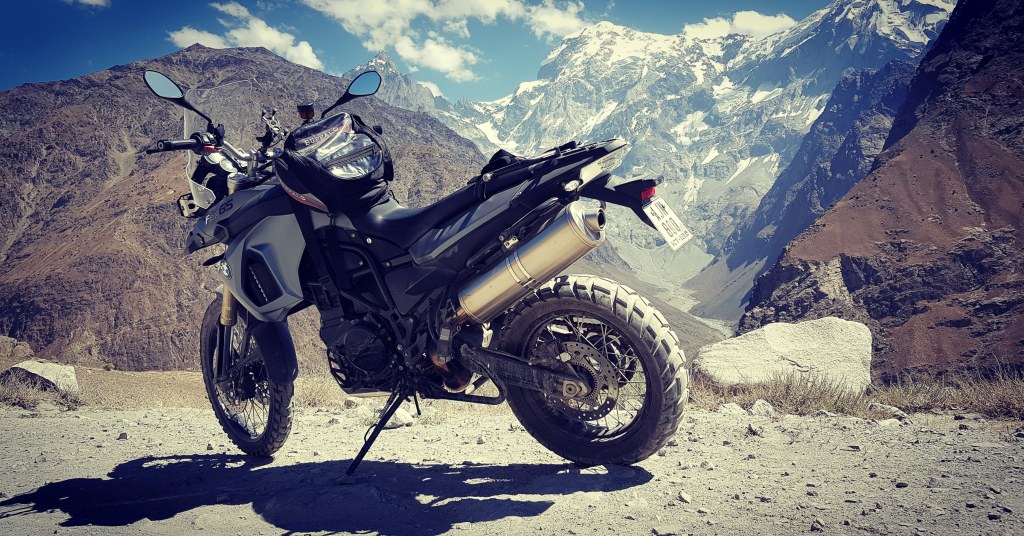
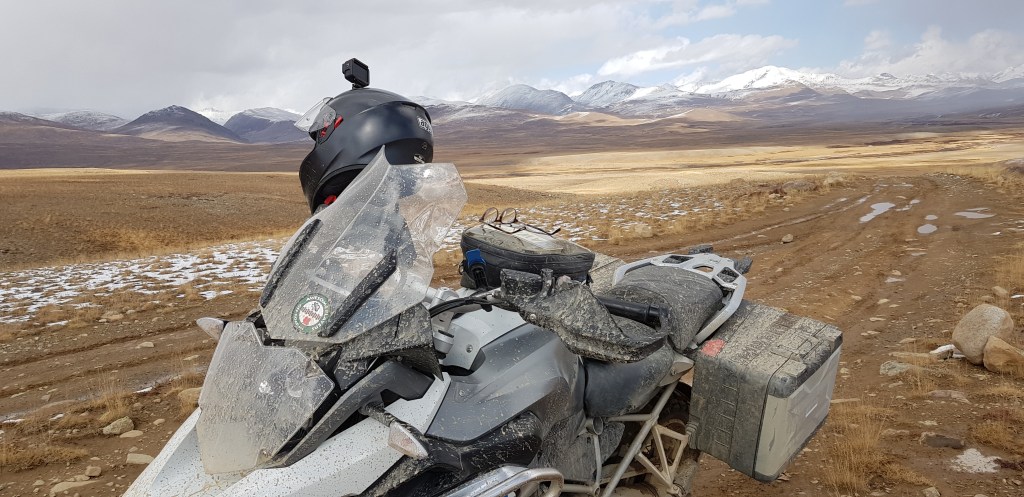
    On the way from Booni to Mastuj, Chitral, 2019
  • Pakistan Motorcycle Stories – Tourism, Cleanliness, Trees, Roads and post COVID-19 recovery!

    August 3, 2020

    Deosai Plain, October 9, 2019

    Distances and destinations define tourism. Tourism brings in revenue—both local and foreign. Local economies around destinations and along the distance thereto, grow. The same can also deteriorate if tourism is not entrenched within an overall “circularity”. The economic system which ensures use of resources such that waste is eliminated is nowadays called “circular”—this is in stark contrast to the “take, make, and dispose” model of the existing linear economic systems. Pakistan, so far, seems to still be on that linear model in tourism; the world, as always, having moved on.

    Riding through Pakistan it is evident that in yearning for tourism we are sacrificing the very sustainability and attraction of the destinations and the paths to them. At the core of this is the waste generated and scattered by tourist. It hurts to see this degradation and even more to see that the native dwellers themselves are insensitive to this degradation. It is not uncommon to walk to serene woods only to find trashed bottle of various kinds of drinks and wrappers and containers of food. Cleanliness being next to godliness has gone by the wayside like most godly things in Pakistan.

    Climbing to Deosai from Sadpara, October 9, 2019

    In the longer term much can be done to eradicate this first tier waste—we must work with all FMCG retailers operating in tourism areas to revise their packaging strategy. In the shorter term, the governments (national, provincial, and local) can use workfare programs to clean up these areas. Local jobs will be generated along with awareness. If the government can pay people to plant trees, they sure as hell can pay them to keep their environment clean. Such program if done properly can be subsidized to some extent by the waste collected and disposed “circularly”.

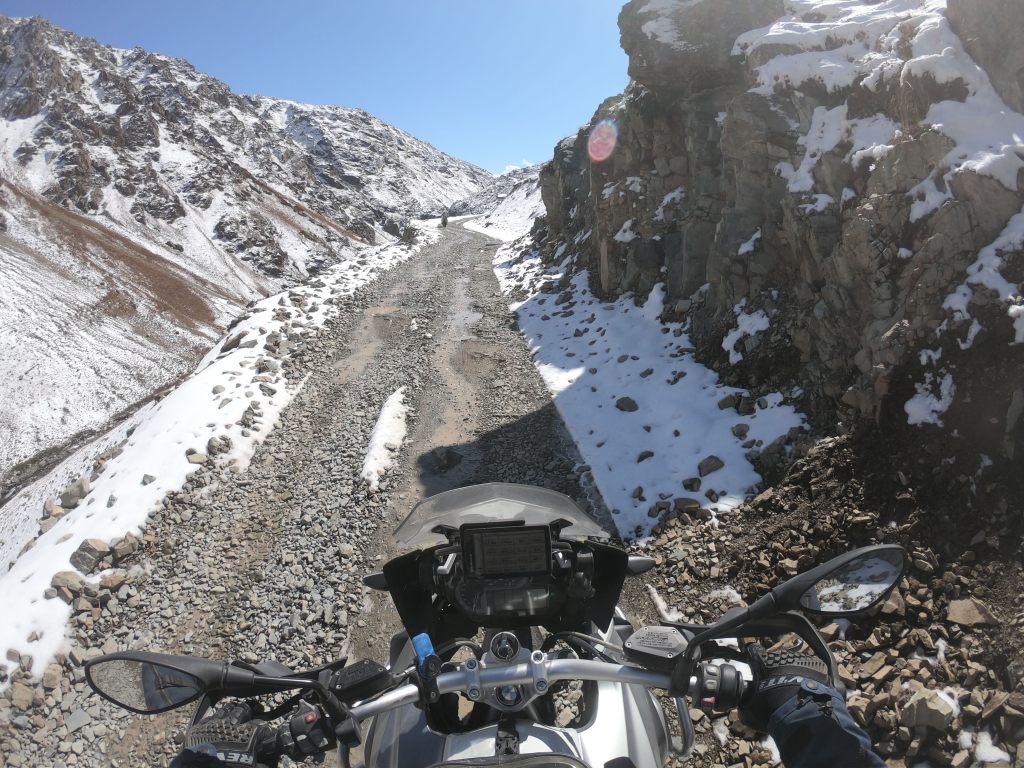
    Roads to tourist destinations in Pakistan need to be rethought. A road cutting through a landscape or a forest essentially divides an otherwise contiguous eco-system. This we all know now. Roads to and through fragile ecosystems—at the very core of tourism—can be slightly more ‘natural’ and less permanent. Lower standard and ‘natural’ roads—like gravel roads—tend to be easier to build and maintain with more involvement of human labor than of machines. More jobs and more awareness! Again, workfare programs can deliver and maintain roads to far flung tourist destinations and most of us riders enjoy tearing down dirt roads anyways.

    There is no harm in people making an effort to get to where they want to go—this is what adventure and tourism is all about. It is not shiny roads that bring tourists but clean and secure natural ecosystems protected by their owners! Nature is balance and maintaining that balance is good tourism. Ride on, Pakistan!

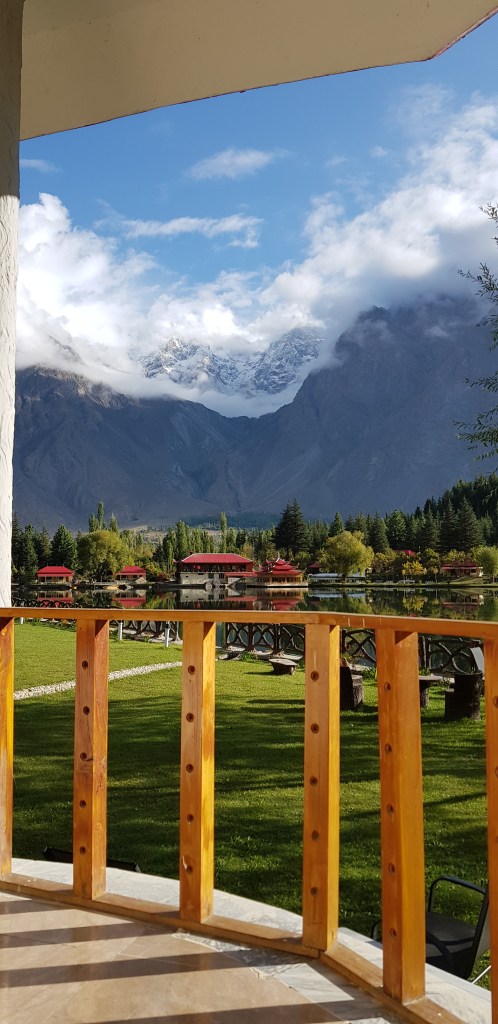
    Lower Kachura, Skardu, October 8, 2019
  • Pakistan Motorcycle Stories – Corruption, Pulpits, and Injustice!

    Jul 24, 2020

    Riding out to Tirah over the weekend before Eid-ul-Azha, reminded me about all what is right and wrong about Pakistan.

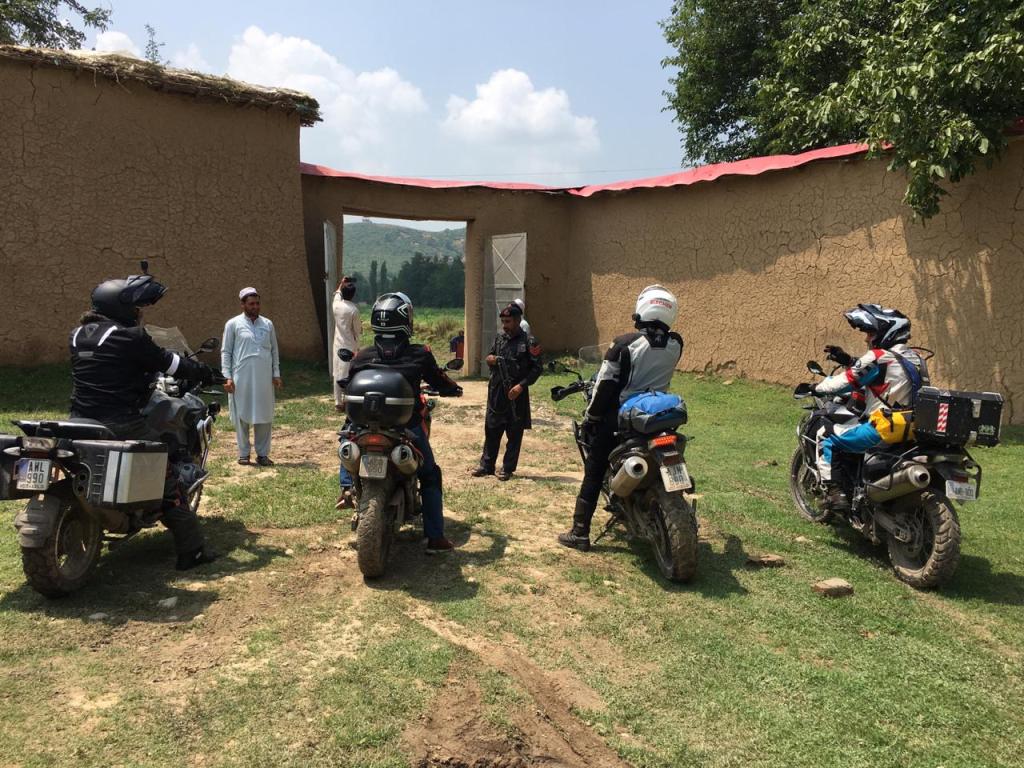
    Tirah valley stretches through Khyber, Kurram and Orakzai Agency, in our beloved Khyber Pakhtunkhwa province. While deciding this to be a destination for a weekend adventure ride from Islamabad our aim was simple—get back on the road and discover a part of Pakistan which by all research and intel was breathtakingly beautiful and not spoiled by tourism, yet. Hidden in that was a subliminal desire about looking at how people of the area are rebuilding lives after the insurgents have left. Returning people and returning lives are stories best read with one’s own eyes.

    Yes, Tirah Valley is beautiful! Yes, the people are busy rebuilding lives. Yes, security, or a modicum of it has returned. Yes, the army and the local lashkars have done a great job in clearing out the insurgents. Has normalcy or a semblance of it returned? No.

    Look below the veneer and you see three things knowing at the roots of life and peace and prosperity returning. Corruption, pulpits, and injustice. The same three things eating the roots of Pakistan.

    The roads that lead you there are littered with corruption. Corrupt institutions in cahoots with more corrupt institutions being manipulated by even more corrupt people. It is not the heady scent of a bumper Marijuana crop that exalts your senses rather the stench of rotting human souls which makes you wonder how the denizens breath and carry on normal lives. That, Pakistan cannot even ensure proper road to its citizens a few hours from its capital and cannot smell this stench is telling evidence of a failed state and its derelict and dysfunctional institutions.

    Scattered aplenty amongst this stench and poverty are gleaming mosques—each outdoing the other’s splendor. There seems to be race to adopt bespoke personal interpretations of religion and gather the largest flock. Easy to do, given the absence of education—the sheep! Dig deeper and you find that there is no Pakistani narrative, only that of the local pulpit. The pulpit that pits its followers against the neighboring pulpit. Pakistan, the land of the pure and the nation formed in the name of Islam has no writ on these pulpits. Yes, these pulpits are multiplying, and their mosques are gleaming just like fool’s gold, built with monies that add to the stench in the name of salvation hereafter. Life is a living hell.

    The people trying to rebuild their lives are sincere and the youth still have the heady euphoria of a victory recently past. They struggle to find a narrative and even more to find justice which protects their dreams and their yearn for their land. The corrupt road builder is in cahoots with the corrupt policeman who present corrupted facts to the corrupt judge who takes bribes from the youth while the local imam bows to all the corrupt gods and chastises the youth—for their desire to be alive! The people live in hell. The hell of insecurity and injustice. Where is the government, they ask? Check post after check post after check post after check post—of corruption, of pulpits, of injustice.

    They wake up one day and fight with the local army check post, being sold the night before to the only unifying narrative—that of the injustice that Pakistan has done to their lives. You know the rest, and so does Pakistan.